Easy Balloon Animals for Beginners: a Dog and a Sword
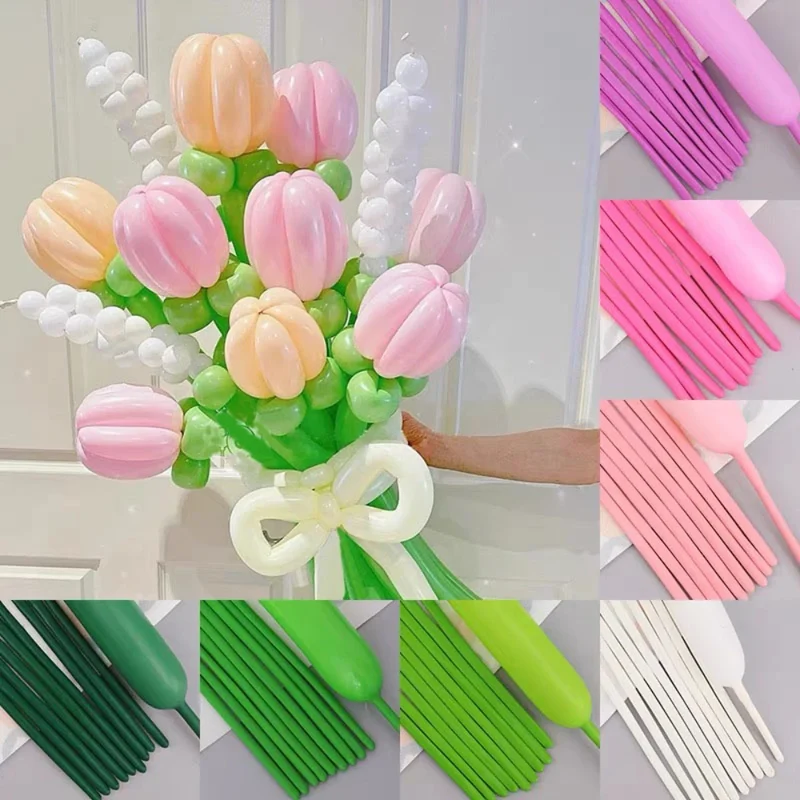
Balloon twisting looks like magic, but most classic models use just one or two basic twists. Grab some long modelling balloons (the standard size is called "260", about 2 inches by 60 inches when inflated) and a hand pump, and try these two.
Before you start
- Use a pump. Modelling balloons are very hard to inflate by mouth.
- Always leave an uninflated "tail" of about 10 cm at the end. Twisting pushes air along the balloon, and the tail gives it somewhere to go, so it doesn't pop.
- Twist each section at least three full turns so it holds.
The basic twist
Pinch the balloon where you want a section to end and twist it round several times. To lock two sections together, twist them around each other at the joint (a "lock twist").
Balloon dog
- Inflate the balloon, leaving a 10 cm tail, and tie it.
- From the knot end, twist three small sections of about 5 cm: the nose and two ears.
- Lock-twist the two ear sections together.
- Twist a slightly longer section for the neck, then two sections for the front legs, and lock them together.
- Twist a section for the body, then two back legs, and lock them together. What's left is the tail.
Balloon sword
- Inflate with a 10 cm tail and tie.
- Fold a loop about 15 cm from the knot and twist it to make the handle guard.
- Make a second loop on the other side, the same size.
- Push the knot end through to form the grip. The long remaining section is the blade.
Tips
- Practise with a few spare balloons first; the odd pop is part of learning.
- Balloon twisting involves small parts and popping balloons. Keep uninflated balloons and burst pieces away from young children.
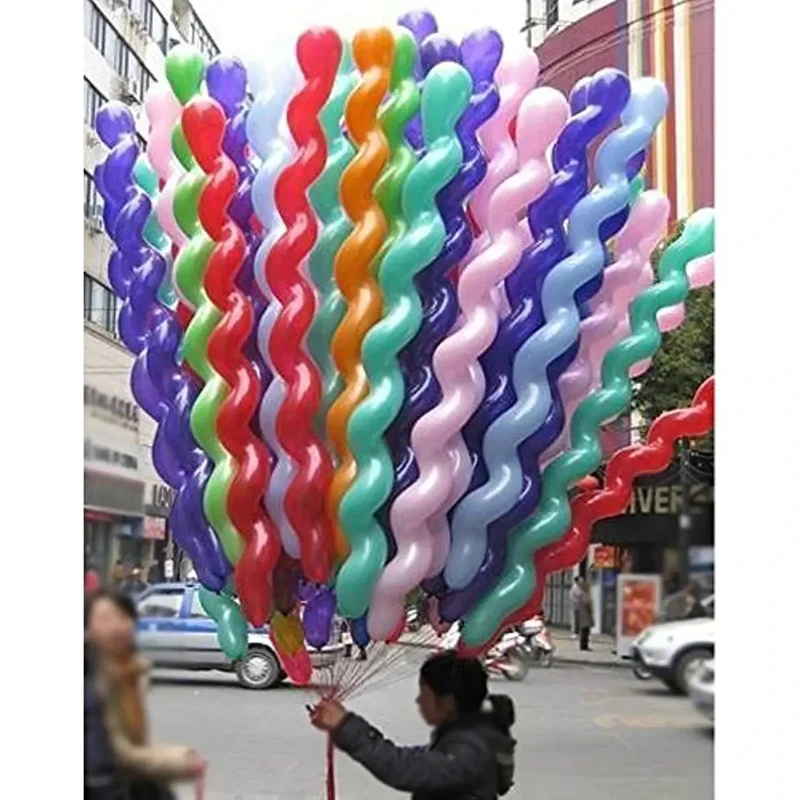
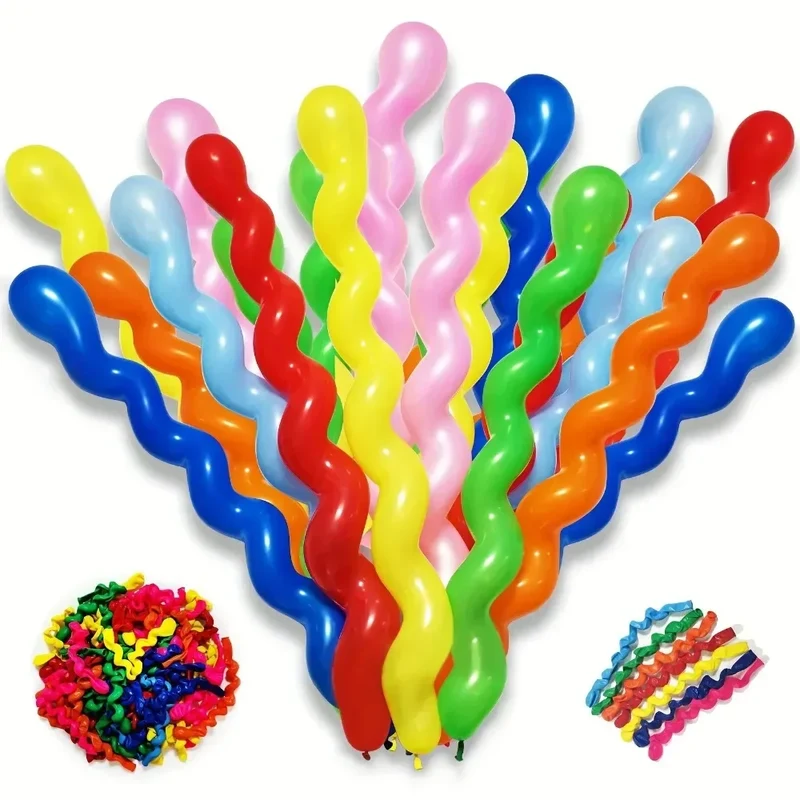
- Spiral long balloons add an extra-fun pattern to garlands and models.
Find modelling and spiral balloons in our long balloons range.