5 Hand Sewing Stitches Every Crafter Should Know
You don't need a sewing machine to mend clothes, make small gifts or finish a craft project. Learn these five stitches and you can handle most sewing jobs by hand.
Before you start
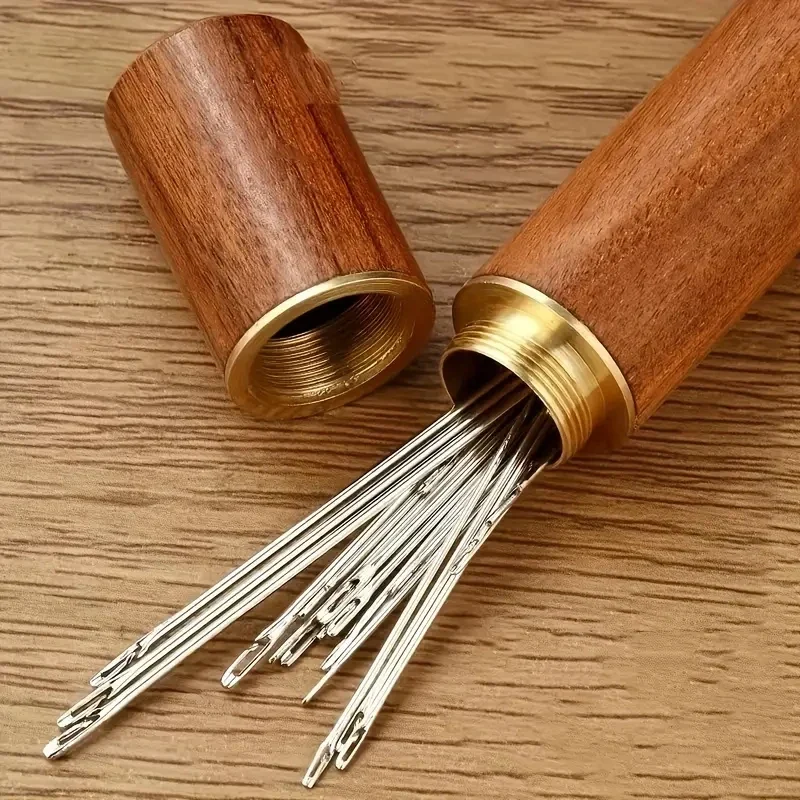
Cut a length of thread about as long as your arm. Thread the needle and tie a small knot at the end of the long tail. A needle threader makes this much easier with fine needles.
1. Running stitch
The simplest stitch: weave the needle in and out of the fabric in a straight line, keeping the stitches and gaps even. Used for tacking, gathering and quick seams.
2. Backstitch
The strongest hand stitch, almost as sturdy as a machine. Make one stitch forward, then bring the needle up one stitch-length ahead and go back down into the end of the previous stitch. Use it for seams that need to hold.
3. Whip stitch
Stitches that loop over the edge of two pieces of fabric to join them. Great for felt crafts, closing stuffed toys and patching.
4. Slip stitch (ladder stitch)
An almost invisible stitch for closing the gap in a cushion or stuffed toy. Take small stitches alternately along each folded edge, like the rungs of a ladder, then pull the thread tight to close the gap neatly.
5. Blanket stitch
A decorative edge stitch that also stops fabric fraying. Perfect for felt, fleece and blankets. Each stitch catches a loop of thread along the edge, making a neat border.
Finishing off
On the back of the fabric, take a tiny stitch, pass the needle through the loop before pulling tight, repeat once more, and trim the thread.
Handy sewing basics
- A set of needles in different sizes, plus a threader
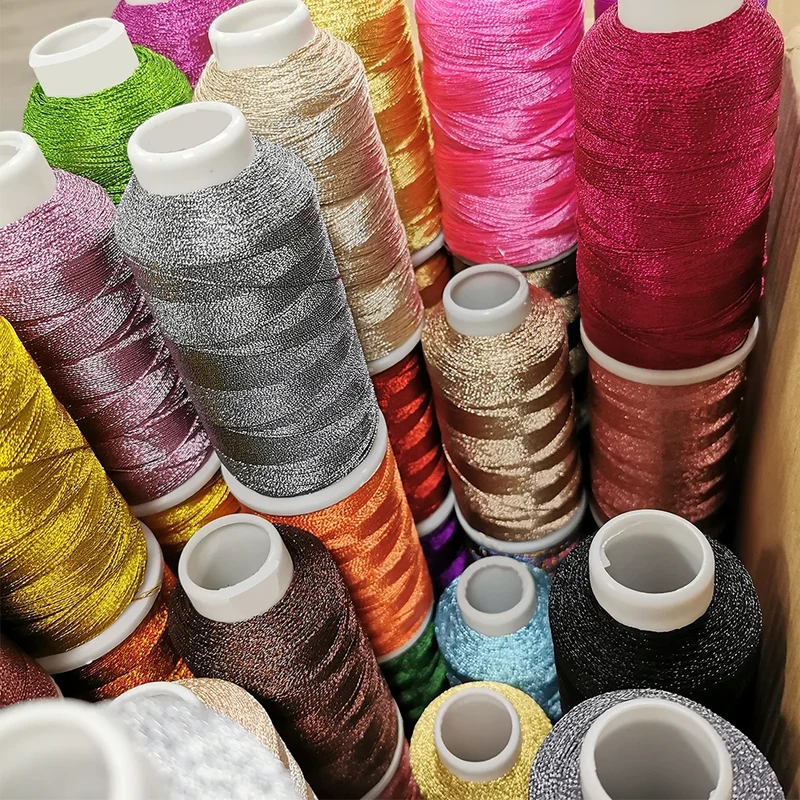
- All-purpose thread in a few colours
- Sharp fabric scissors (keep them just for fabric!)
- Pins, a tape measure and ribbon for finishing touches
Find thread, needles, ribbon and more in our sewing supplies.