Candle Wicks and Moulds: How to Choose the Right Ones
If your homemade candle tunnels down the middle, smokes or drowns its flame, the wick is almost always the reason. Here's how to choose well.
Wick size matters most
The wick should be sized to the diameter of your candle:
- Too small: the flame is weak and the candle "tunnels", melting a hole down the middle and leaving wax on the sides.
- Too big: a tall, flickering flame, soot, smoke and a container that gets too hot.
- Just right: a steady flame that melts a full pool of wax across the top within a few hours.
Wick suppliers usually give a size guide by diameter. For wide containers (roughly 9 cm or more), two or three wicks often work better than one big one.
Types of wick
- Cotton wicks are the classic choice and widely used for container and pillar candles.
- Wooden wicks give a wide, flat flame and a gentle crackle. They work best in containers.
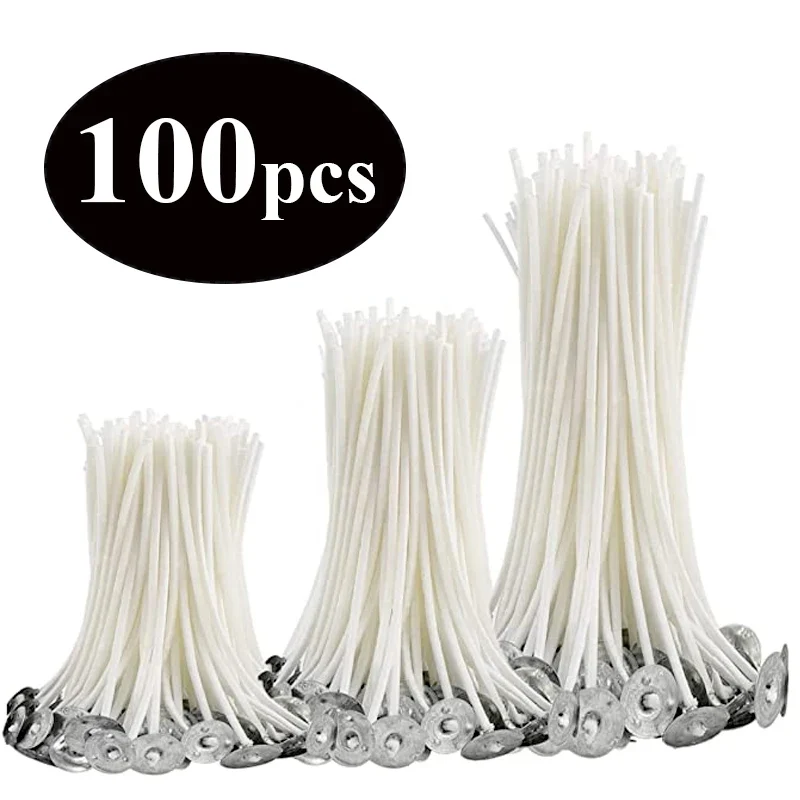
- Pre-tabbed wicks come with a metal base, ready to stick down with a wick sticker.
Always test burn
Burn a test candle for a few hours and watch it. Adjust the wick size if it tunnels or smokes. Always trim wicks to about 5 mm before lighting.
Choosing moulds
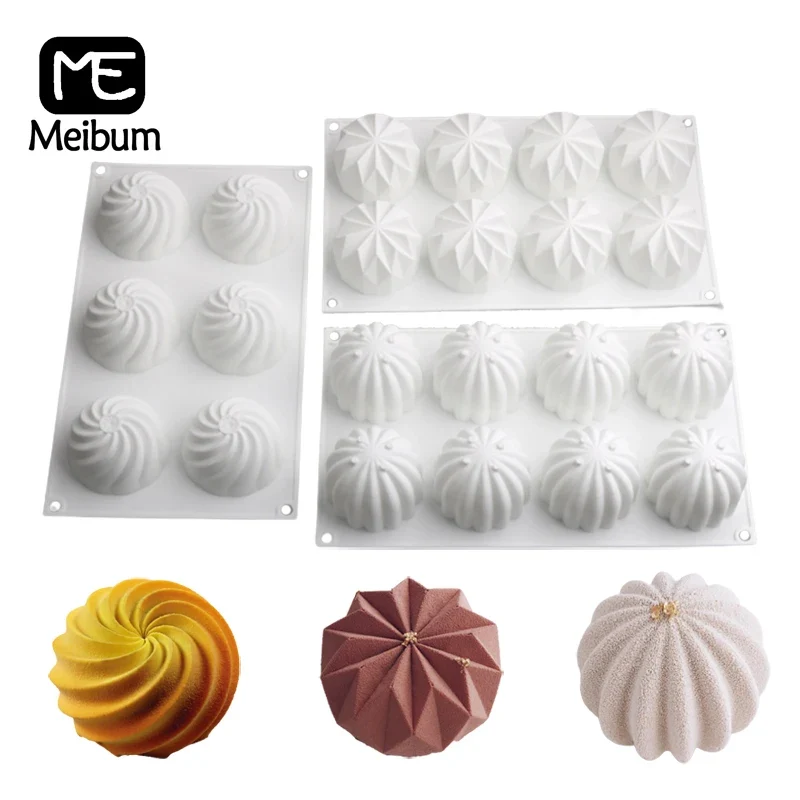
- Silicone moulds are flexible and great for shaped candles: bubbles, flowers, figures and more. They release easily without mould release spray.
- Pillar moulds make classic cylinders, usually used with a firmer pillar wax.
- Thread the wick through the mould before pouring, and hold it straight with a wick holder.
New to candles? Start with our guide to making container candles at home. Shop wicks, holders and moulds in our candle making accessories.